
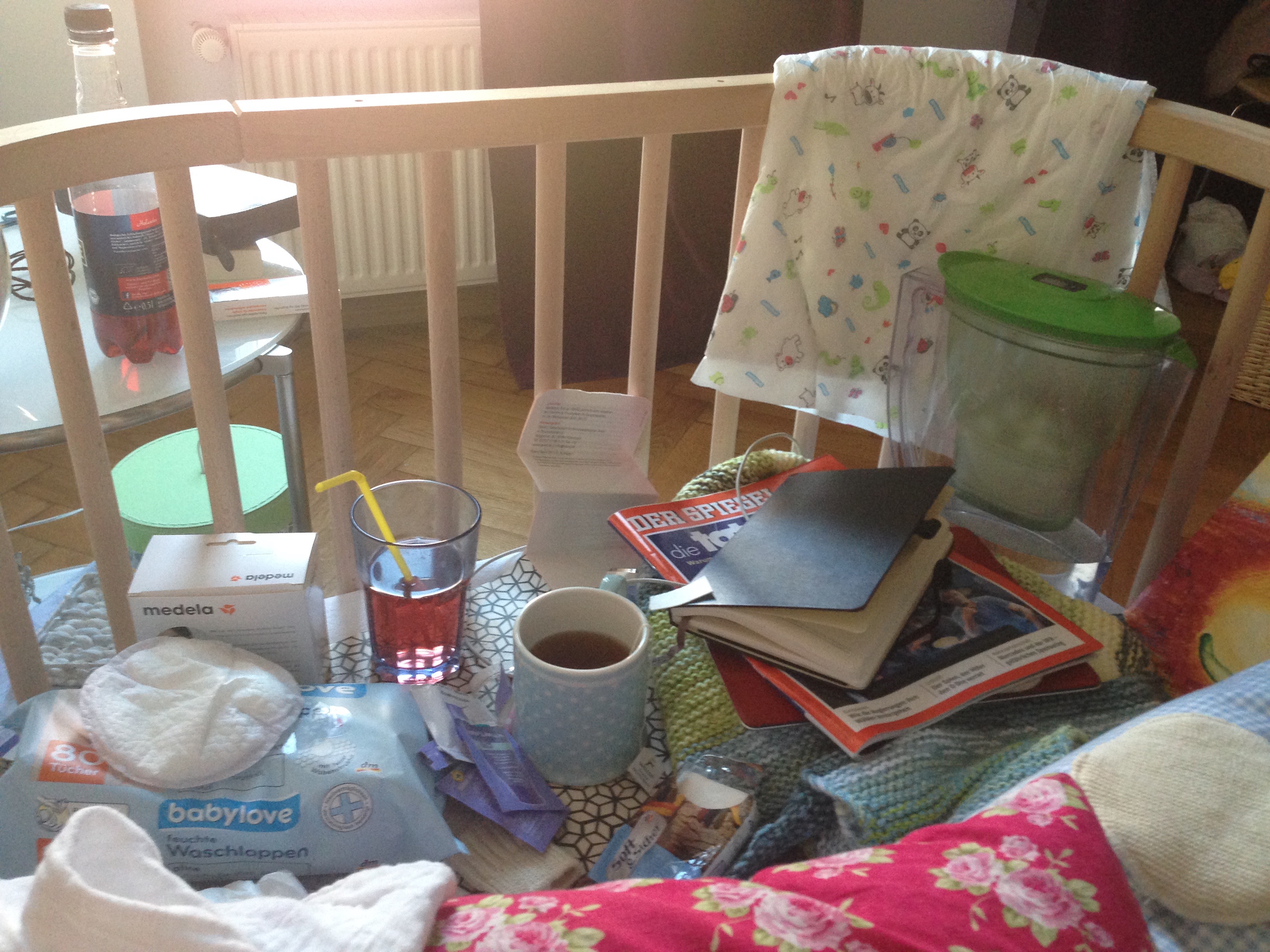
A Time to Rest, Heal, and Bond
The Wochenbett is the German term for the postpartum period, starting from birth (after the placenta is delivered) and lasting roughly 6–8 weeks. It’s not just an old-fashioned word—it has a purpose.
This is the time when your body heals, your internal organs return to their pre-pregnancy position, and your life with your newborn begins to take shape. It’s also when feeding, sleeping, and bonding establish a foundation for the months ahead.
In some cultures, babies are only introduced to the outside world after 40 days—showing just how much rest and protection are valued during this time.
Why the Wochenbett Matters
When I was in my early 20s, a young midwife, I didn’t fully understand the fuss about the Wochenbett. If a new mother wanted to go shopping, go for a run, or have dinner with friends, I thought: Of course she can.
Now, I see it differently. The first weeks are meant for:
- Healing: The body needs time to recover physically.
- Bonding: This is the period to build a strong connection with your newborn.
- Rest and nourishment: Adequate sleep and proper meals are essential for recovery and parenting.
From my experience doing postpartum home visits, I noticed that babies were calmer when mothers stayed home and rested longer. Breastfeeding often went more smoothly, and overall stress levels in the family were lower.
A Reflection from My Own Experience
When I think back to my own Wochenbett, my bed became my safe place, my harbor in a loud city. After two weeks, I tried moving to the living room but quickly returned. I stayed in bed with my baby for four weeks. In retrospect, I wish I had stayed even longer—the time that followed might have been a little easier if I had.
Advice for New Mothers
I strongly believe in giving mothers the time and space to rest after birth. The first weeks are for healing, bonding, and building routines. Stay in bed, let yourself be cared for, and focus on your baby.
These early weeks are a unique and special opportunity—one you won’t get back. Use them to nurture yourself and your newborn, and prepare for the months ahead.
When a baby arrives, life changes overnight. Yet, in today’s busy world, it’s easy to forget just how important this period truly is.
I’ve seen many mothers push themselves too soon—returning to chores, social events, or errands before their body and mind are ready. But the postpartum weeks are designed for one thing above all: rest, recovery, and connection.

What the Wochenbett Really Means
The postpartum period is more than physical recovery. It’s a time when:
- The body heals: After childbirth, organs shift back, hormones balance, and energy levels need replenishing.
- Bonding happens: The first weeks set the stage for a secure emotional connection with your baby. Skin-to-skin time, calm moments, and quiet routines all help.
- Breastfeeding is supported: A relaxed home environment reduces stress and helps feeding go more smoothly.
- Mental health is protected: Adequate rest and support lower stress and help prevent postpartum anxiety or depression.
How to Make the Most of These Weeks
Every family is different, but some simple practices make a big difference:
- Stay home and rest: Even short naps are powerful. Let non-urgent chores wait.
- Accept help: Family, partners, or a postpartum doula can manage meals, cleaning, or errands.
- Create a calm space: A cozy, quiet environment helps both mother and baby feel safe.
- Focus on nutrition and hydration: Healing and breastfeeding need proper nourishment.
Why It Matters
I’ve noticed a clear pattern: mothers who honor the Wochenbett—staying home, resting, bonding—often feel more confident and resilient in the weeks that follow. Babies tend to be calmer, feeding goes better, and stress levels drop.
Even small choices—keeping a cozy feeding corner, letting someone else cook dinner, or scheduling short naps—can make a lasting difference. This time may feel slow, but it’s an investment in the well-being of both mother and child.
Final Thoughts
The Wochenbett is a special window for healing, bonding, and building routines that will support the months ahead. It’s a time to slow down, care for yourself, and enjoy those first moments with your newborn.
If the first weeks feel too overwhelming, one-on-one postpartum counseling or support can make a big difference, helping you navigate this special time with more confidence.
Send me an email. And I can see if I can help you.


I am happy if you leave a reply